Analyzing Volatility Levels Across Slot Varieties and Their Relation to Incentive Structures in Online Platforms
Kirjoittanut Gisela Werner · 4.10.2026
Analyzing Volatility Levels Across Slot Varieties and Their Relation to Incentive Structures in Online Platforms
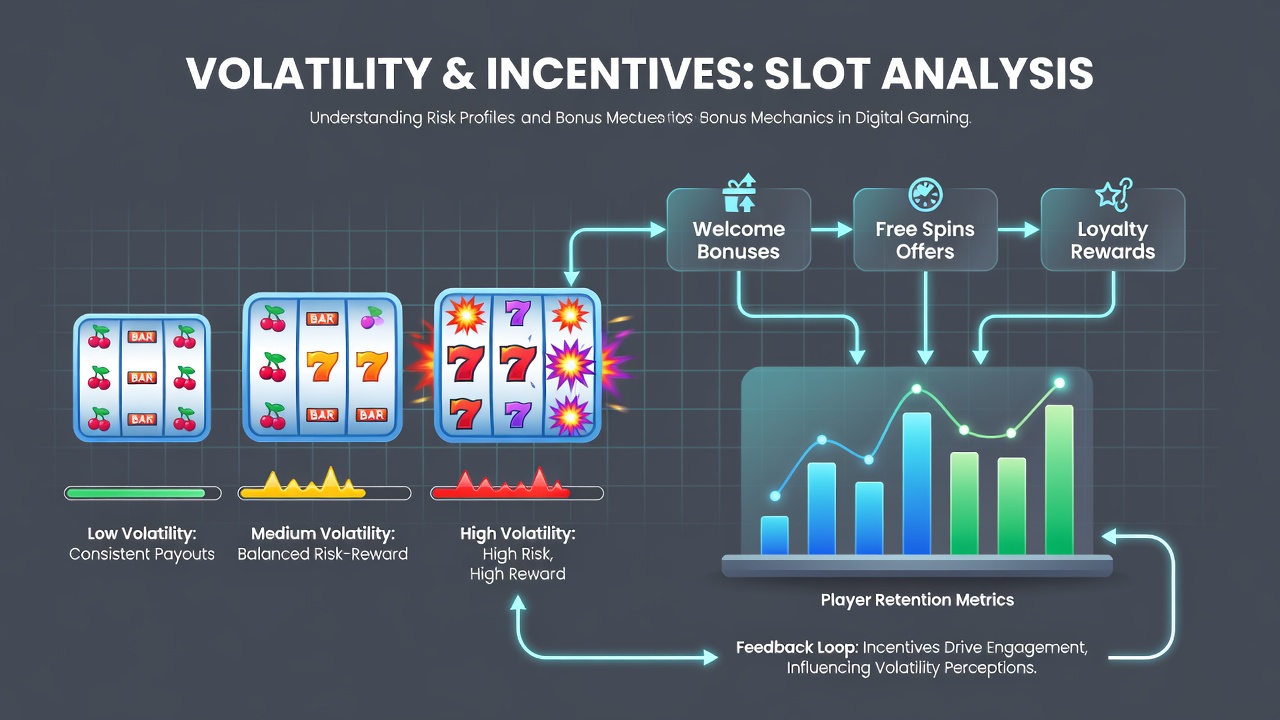
Slot volatility measures the frequency and size of payouts across different game types, and researchers have documented clear patterns when they compare these levels to the bonus structures that online platforms deploy. Data from industry analyses show that low-volatility slots, which deliver smaller wins at regular intervals, often pair with incentives such as free spins or deposit matches that encourage extended play sessions, while high-volatility titles, known for infrequent but larger returns, align with jackpot-triggered rewards and progressive bonus pools.
Defining Volatility Across Slot Categories
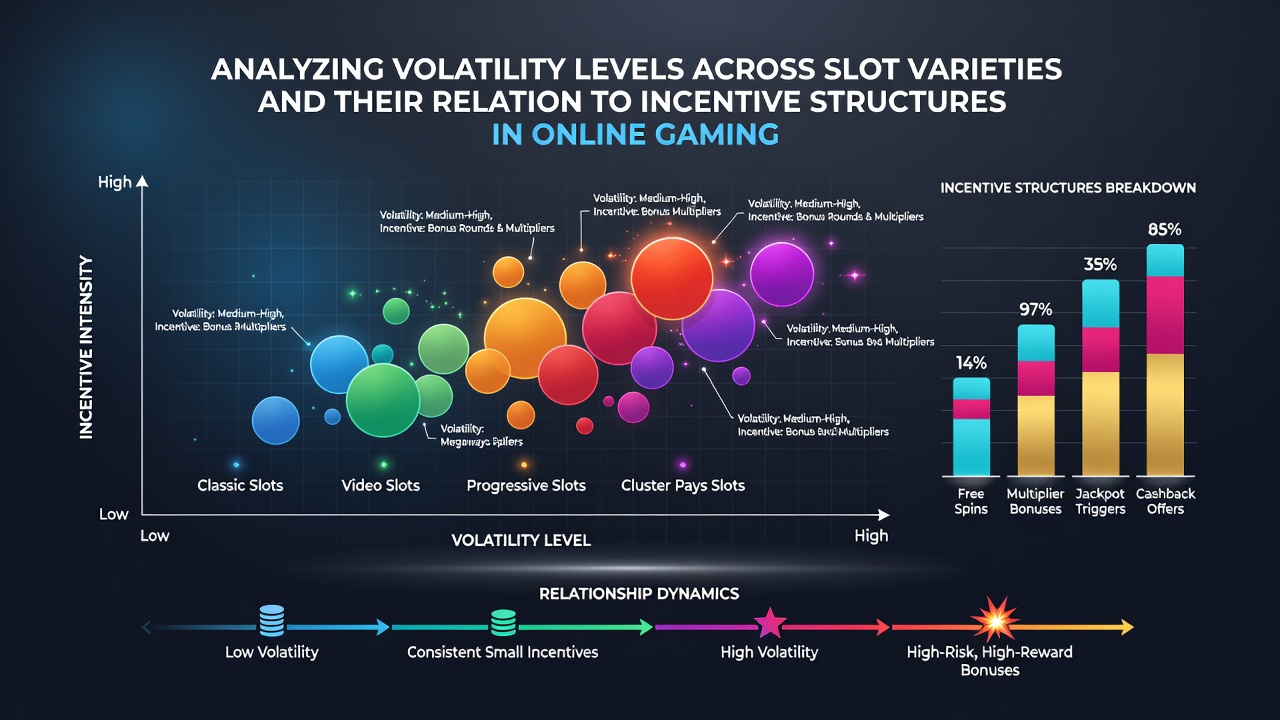
Classic three-reel slots typically register as low to medium volatility because their mechanics limit outcome variance, and studies indicate these games receive incentive packages that emphasize steady engagement through reload bonuses and loyalty points. Video slots introduce more paylines and features, pushing volatility into the medium range, and platform operators adjust matching incentives accordingly by offering feature-buy options or multiplier-based promotions that match the increased risk profile. Progressive slots stand out with high volatility driven by accumulating jackpots, and operators coordinate these games with time-limited prize draws or tiered reward ladders that activate when prize pools reach specific thresholds.
Observed Patterns in Incentive Allocation
Platform data collected through 2025 and into October 2026 reveal that low-volatility varieties attract higher volumes of smaller incentives because consistent play sustains user retention metrics, whereas high-volatility games receive fewer but larger incentive triggers tied to jackpot milestones. Observers note that medium-volatility slots occupy a middle ground where incentives blend both approaches, including cashback on net losses combined with occasional high-value bonus rounds. Research from academic sources confirms these alignments help platforms balance player acquisition costs against revenue stability across regions.
Regional Data Variations
Figures from the Australian Gambling Research Centre illustrate how operators in that market adjust incentive timing based on volatility readings, with low-volatility titles receiving daily reward cycles and high-volatility options linked to weekly prize escalations. In North America, reports compiled by the Nevada Gaming Control Board track similar correlations where progressive slots see bonus releases coordinated with statewide jackpot growth rates. European operators, drawing on data from the Malta Gaming Authority, demonstrate parallel structures that tie feature-unlock bonuses to volatility indexes measured across their licensed portfolios.
Mechanisms Linking Volatility to Reward Timing
Algorithms used by platforms calculate volatility scores from historical payout distributions, and these scores directly influence when and how incentives activate for each slot category. Low-volatility games often feature incentives that trigger after fixed spin counts, which matches their predictable return patterns, while high-volatility games delay larger rewards until random number generator outputs align with jackpot triggers. Those who have examined transaction logs across multiple sites find that this synchronization reduces variance in overall platform revenue even as individual player experiences differ by game type.
Impact on Player Segment Behavior
Segmented user data indicate that players selecting low-volatility slots respond more readily to volume-based incentives such as points accumulation programs, and platforms scale these rewards to maintain steady engagement rates. High-volatility selections draw participants who favor event-driven incentives like tournament entries or mystery prize drops that coincide with rare big wins. Medium-volatility slots show mixed responses where incentives combine both frequency and magnitude elements to address the broader outcome range these games produce.
Technical Integration of Volatility Metrics
Platform developers integrate volatility calculations into real-time analytics dashboards that adjust incentive parameters automatically, adn this automation ensures reward structures remain calibrated to each slot variety's statistical profile. Certification processes require verification that these adjustments comply with jurisdictional standards, which in turn affects how quickly new incentive layers can roll out for high-volatility titles compared wth their lower-volatility counterparts. Evidence gathered from compliance reports shows consistent application of these technical linkages across major operating regions.
Conclusion
Analysis of volatility levels across slot varieties demonstrates measurable connections to the design and timing of incentive structures on online platforms, with data from multiple regulatory and research bodies supporting these alignments through October 2026 and beyond. The documented patterns reflect operational choices that match reward mechanisms to the underlying payout distributions of each game category, and continued monitoring of these relationships provides factual insight into platform strategies without introducing external interpretations.